Custom Web & App Design
I design websites and apps that are easy to use, useful, and enjoyable. I figure out what users need, plan their journey, design screens, test, and make sure everything works well for everyone.
My UX/UI services include:
These are all the ways I make digital products easy, useful, and enjoyable for real people:
I focus on reducing friction, improving performance, and creating experiences people enjoy.
For more info, check the FAQs or get in touch.
Eco-friendly design
I create digital products that are efficient, easy to use, and better for people and the planet.
Smart & sustainable
Designs that reduce digital waste and energy use
Efficient interactions
Simple, streamlined experiences that save time and power
Built to last
Adaptable systems inspired by renewable energy principles
Showcase
More details coming soon. Watch this space!
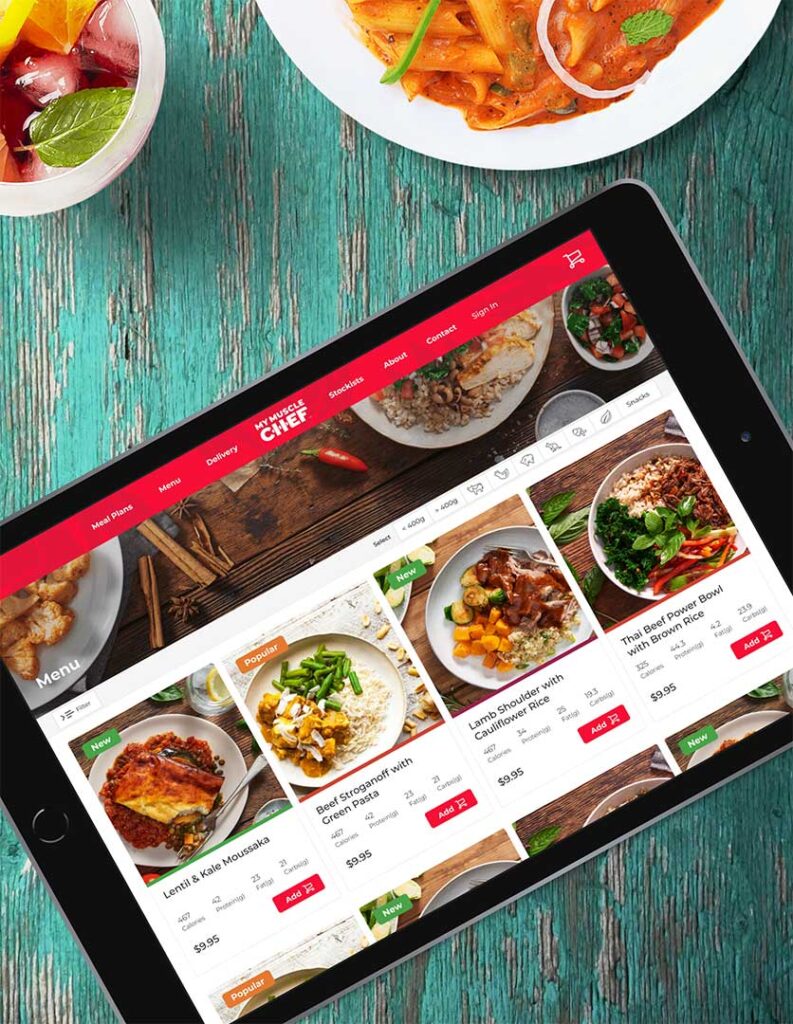
Coming soon
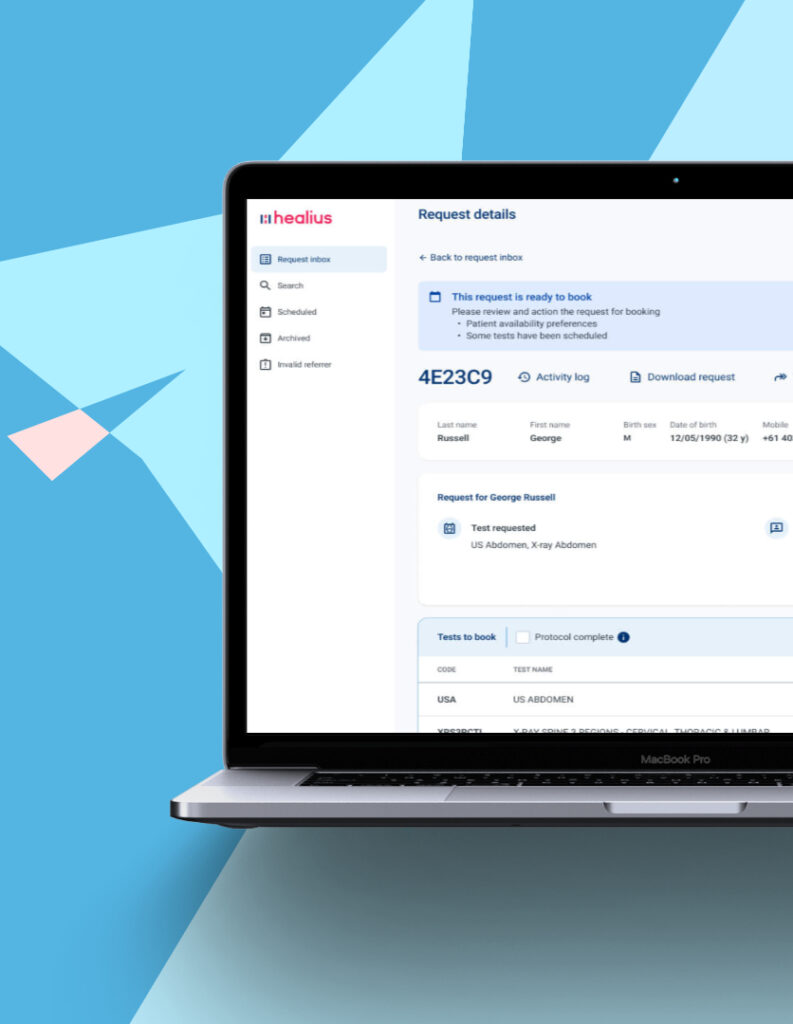
Coming soon

Coming soon
Business consulting
I help businesses make digital products simple, clear, and effective for users.
Individual consultation
I help turn your ideas into simple, user-friendly apps, websites, or projects.
Alternative solutions
I create websites, graphics, photos, and illustrations that bring ideas to life in a clear, creative way.
What people say
Client reviews
You have made fantastic contribution with your skills and experience, plus your dynamic and vibrant personality.
Thank you for you contribution to the entire Experience Delivery, and Enterprise Delivery Systems teams. You helped us through a very busy period here at SBS and I am truly thankful.

Andrew Wong
Head of Experience at Special Broadcasting Service (SBS) Australia
Working with Eleonor was an absolute pleasure – she has an amazing creative mind coupled with a detailed eye and real talent. As a designer she always delivers outstanding executions and she has been instrumental in getting work across the line.

Bohdan Dubik
Senior Front End Developer at CHOICE
Eleonor is a passionate, detail-driven individual who is dedicated to driving better results through her work. She has a nack for simplifying complex themes and a keen eye for design. She is a pleasure to work with and will give each and every project her all.

Kat Hartmann
Managing Director Digital and Customer Experience at ANZ
An expert in making websites and apps simple and intuitive
Frequently asked questions
What is the difference between UX and UI?
UX (User Experience) is about the overall experience a person has when using a product—how easy it is to navigate, how logical the flow feels, and whether it solves their needs efficiently. UI (User Interface) focuses on the visual and interactive layer, such as layouts, colours, typography, buttons, and animations. UX defines the experience; UI shapes how that experience is presented.
What UX/UI services do you offer?
I provide end-to-end UX/UI support, from understanding user needs and defining problems to designing clear flows, screens, and visual systems. This can include research, wireframes, interface design, and preparing assets so teams can confidently build and launch.
Why is UX/UI important for my business?
Strong UX/UI helps users complete tasks faster and with less frustration, which leads to higher engagement, better conversion rates, and increased customer loyalty. A well-designed experience also builds credibility and trust, making your product feel more professional and reliable.
When should UX/UI design happen in a project?
UX/UI should be involved from the very beginning. Early research and design help uncover user needs, validate ideas, and prevent costly changes later in development. Designing early leads to clearer direction and smoother execution.
How long does a typical project take?
Timelines depend on the size and complexity of the work, as well as how quickly feedback is shared. Smaller projects may take a few weeks, while larger or more exploratory work can run over several months, with clear milestones along the way.
What can you as a UX/UI designer actually deliver?
Deliverables can include user research findings, personas, user journeys, information architecture, wireframes, interactive prototypes, high-fidelity UI designs, and design systems. These outputs guide development and ensure consistency across the product.
How do you know if a design is successful?
Success is measured through usability testing, user feedback, and performance metrics such as task completion, engagement, retention, and conversion rates. A successful design helps users achieve their goals with minimal friction.
Do I need UX/UI if I already have a product or website?
Yes. UX/UI is often most impactful when improving existing products. Reviewing user behaviour and pain points can uncover opportunities to streamline flows, improve clarity, and enhance overall performance without rebuilding everything from scratch.
How much do your services cost?
Costs are based on the scope of work and the outcomes you’re aiming for. Pricing reflects the time needed to understand users, test ideas, and refine designs so decisions are informed rather than guesswork. After an initial discussion, I provide a clear estimate to keep everything transparent.
What do you need from us to get started?
To begin smoothly, I usually need clarity on goals, access to relevant materials, and time with key decision-makers. This helps align expectations early and ensures the work is focused on solving the right problems.
How do you work with developers or existing teams?
I collaborate closely with developers and internal teams, sharing designs, explaining decisions, and staying available for questions. This helps ensure what’s built matches the intent of the design and works well in practice.

User Experience (UX) performance metrics
These metrics reflect common usability and experience measures used to evaluate how clearly users can complete tasks, adopt features, and achieve intended outcomes.
+10–40%
Task success rate
How reliably users can complete a task correctly without help or confusion.
-20–50%
Time on task (efficiency)
How quickly users can complete key actions with minimal effort.
-15–60%
Error rate reduction
How effectively the interface prevents mistakes and supports recovery when errors occur.
+10–35%
Engagement and retention
How intuitive design encourages continued use and repeat interaction over time.
+5–25%
Conversion rate
How clearly users can move from intent to action within a journey.
+20–60%
Learnability improvement
How easily new or returning users understand and adopt the product.
+10–35%
User satisfaction
(Perceived usability)
How confident, comfortable, and capable users feel when using the interface.
Ranges reflect typical improvements following usability-led redesigns based on IxDF-Aligned UX/UI. Results vary by product maturity and scope.